
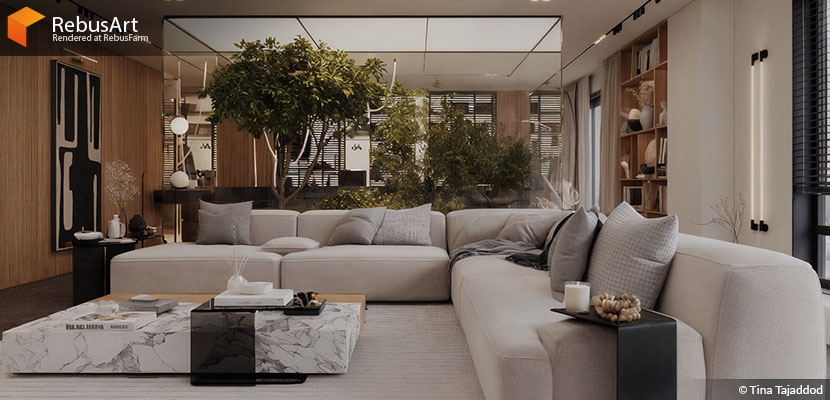
Some artists chase technical perfection. Others build everything around mood. Tina Tajaddod moves confidently between both, shaping a visual language that feels precise yet deeply atmospheric and continues to evolve with every project.
We are excited to reconnect with Tina Tajaddod and dive into her world once again. In this interview, she shares her approach to warm minimalism and the ideas behind her latest project, Elysian Residence. From changing industry expectations to very hands on workflow choices, she offers a clear and honest look at what it takes to create spaces that do not just look real, but feel genuinely alive.
Introduction.
Tina, welcome back. It is great to catch up with you once again and take a closer look at what you have been working on.
Please start by shortly introducing yourself.
Hello, and thank you for having me. I am Tina Tajaddod, a 3D artist and architectural designer.
Returning to the RebusFarm blog feels incredibly rewarding. Having been featured in September 2021 as a solo artist, and later in 2024 under my own studio, TT Studio, with Emad Navidi collaborating with me on that specific project, stepping back into the spotlight today with another purely independent design marks a significant milestone in my career. My core philosophy has always revolved around crafting deeply atmospheric spaces because I believe a home should tell a story of comfort, harmony, and refined beauty.
Looking Back On The Past Years.
Since our previous features, how has your 3D approach evolved? Have there been any major changes?
My workflow and artistic mindset have undergone a profound evolution. While my collaborative time under TT Studio was invaluable, executing a project like Elysian Residence entirely solo has afforded me the uncompromising creative liberty to refine my personal aesthetic. Previously, I might have been overly preoccupied with technical perfection. Today, my approach is intrinsically narrative-driven. I view technical execution simply as a vehicle for storytelling, allowing me to focus on the subtleties of minimalism, tactile imperfections, and the emotional weight of natural light.
What types of projects are you most excited to work on today, and how does that compare to the projects you were doing a few years ago?
I am currently most inspired by residential architecture that embodies warmth, serenity, and restraint. In earlier years, I may have been drawn to more complex or grandiose commercial scenes. Now, I find true artistic fulfillment in the nuance of simplicity. I strive to design sanctuaries that balance organic textures, creating spaces that feel lived-in, functional, and fundamentally peaceful.
Changes In Archviz.
Architectural visualization has changed in recent years. What are the biggest shifts you see in the industry?
The industry is experiencing a paradigm shift, driven largely by the exponential growth of real-time rendering and the integration of AI in the conceptual phases. Furthermore, the baseline for "photorealism" has been radically elevated. It is no longer sufficient to deliver a mathematically correct render; the modern ArchViz artist must act as a cinematographer and psychologist, utilizing light, shadow, and composition to evoke a visceral emotional response from the viewer.
How has your technical setup evolved over the years in terms of software, render engines, and overall pipeline? Or have you stayed consistent with your approach?
My foundational pipeline remains anchored in 3ds Max and Corona Renderer; their synergy for calculating photorealistic global illumination and handling complex material properties is still unparalleled for my workflow. However, the nuance lies in my auxiliary tools. Integrating ecosystems like Quixel Bridge has become paramount. Having seamless access to the Megascans library allows me to layer high-fidelity, scanned surface imperfections—such as dust, subtle scratches, and organic wear—which is absolutely crucial for crossing the threshold from standard CGI to authentic, tangible reality.
Project Spotlight.
Let's delve into your latest project, Elysian Residence. What was the inspiration behind it?
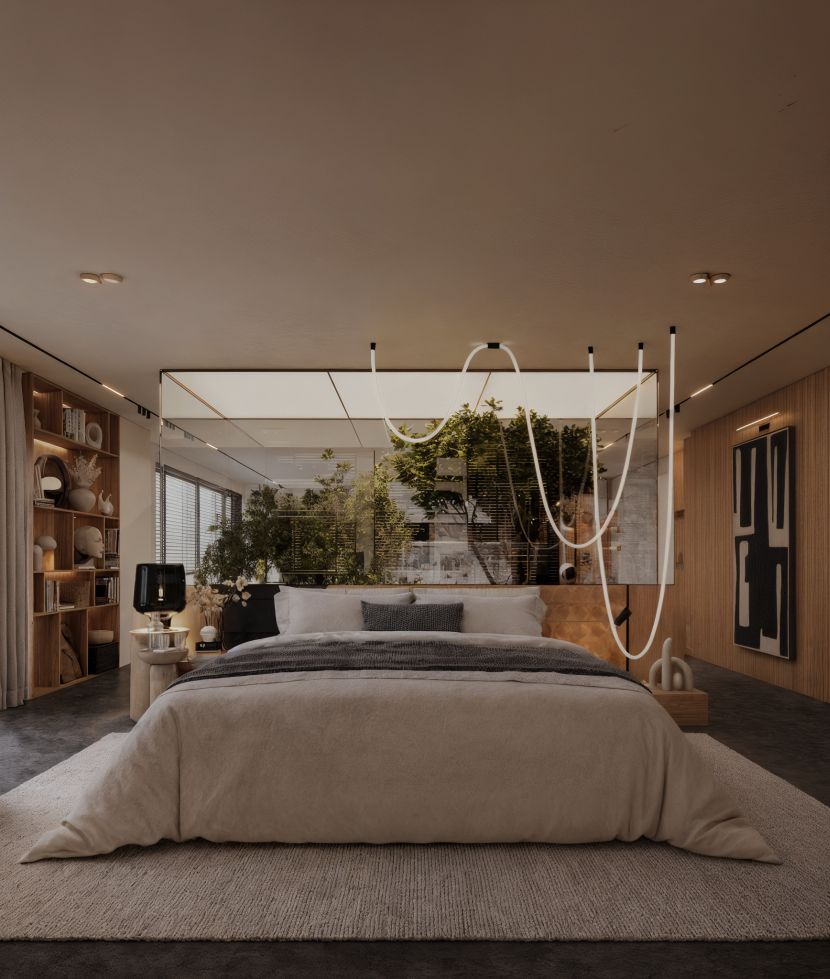
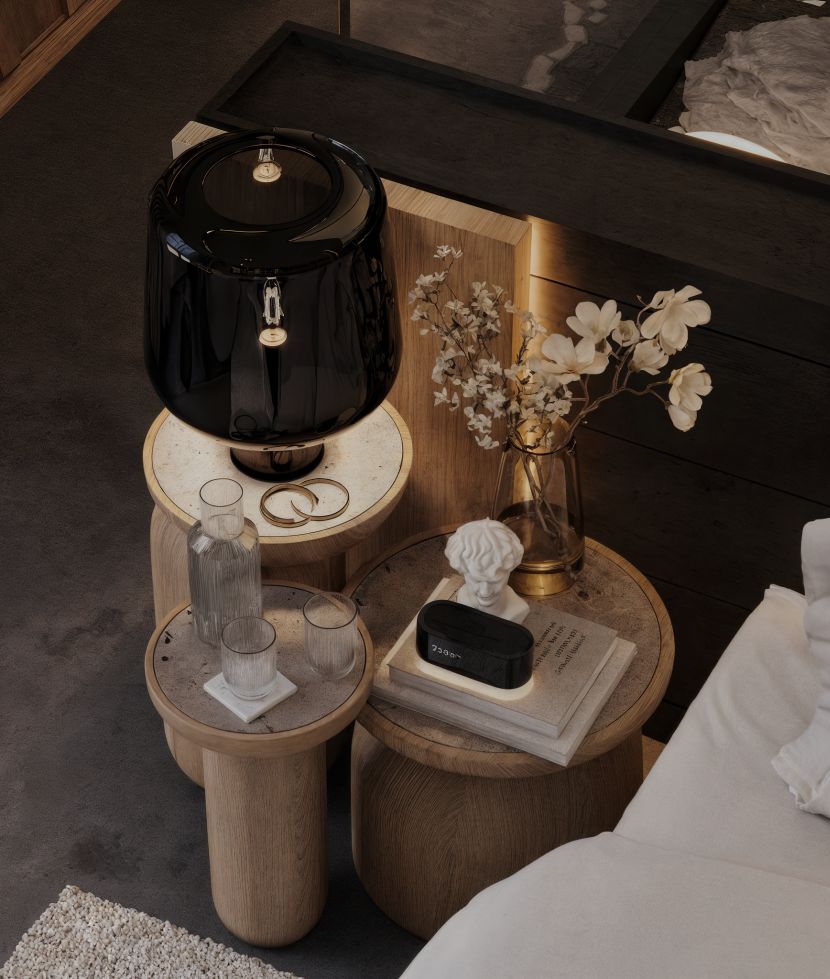
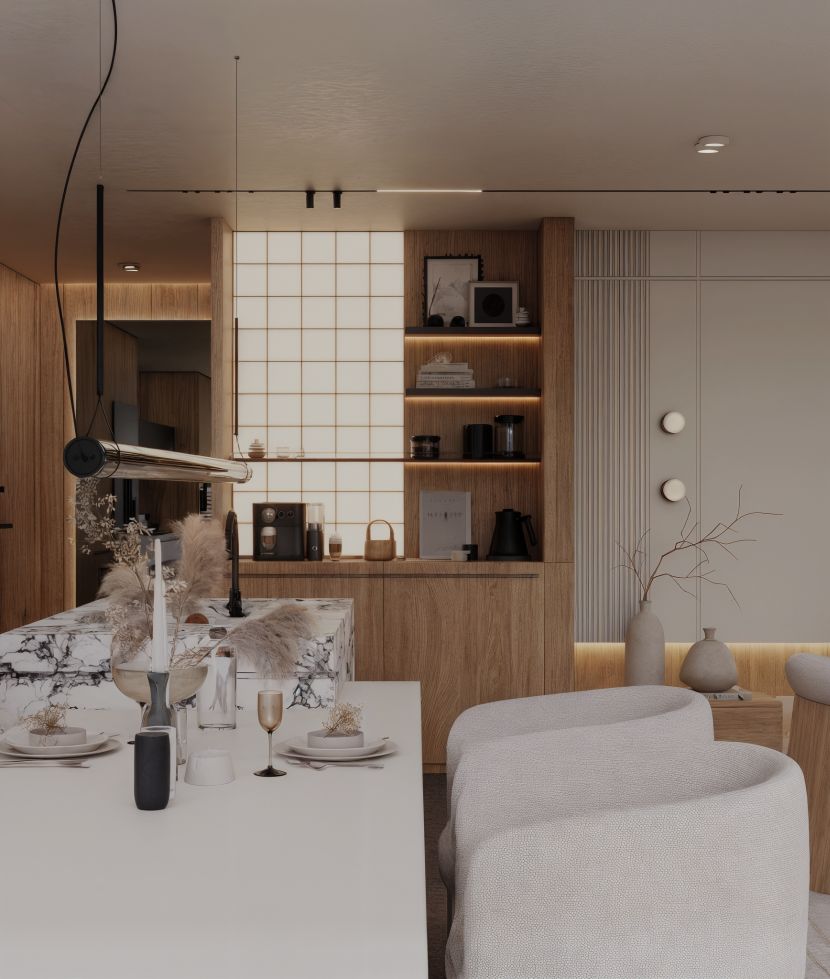
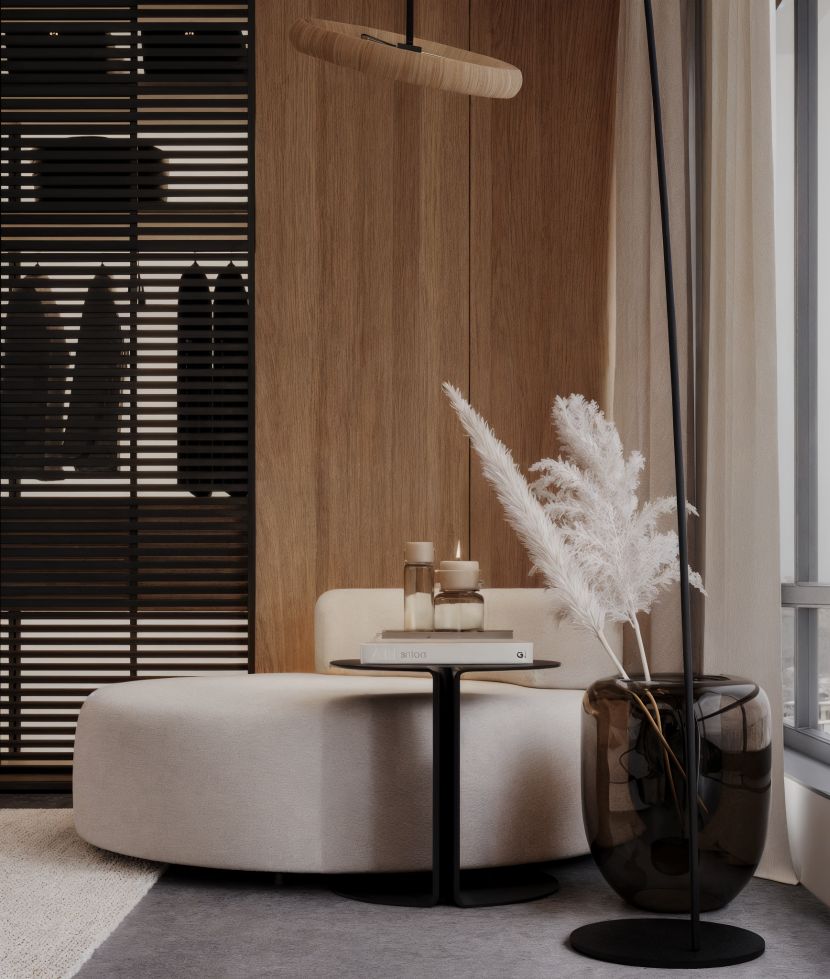
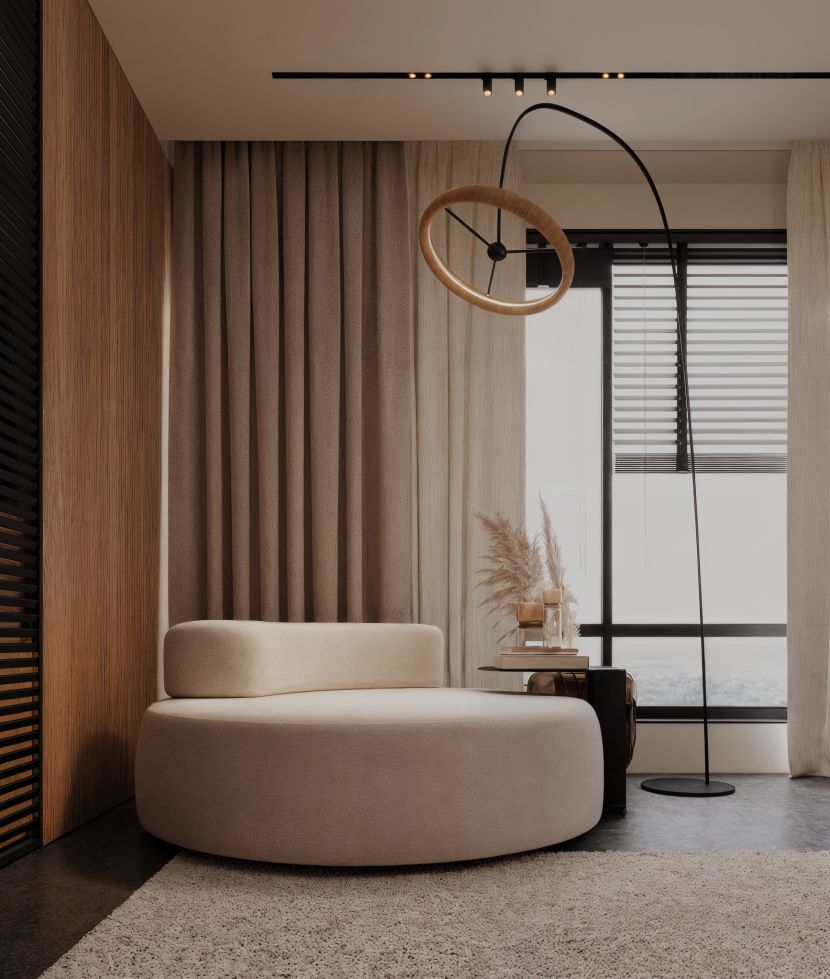
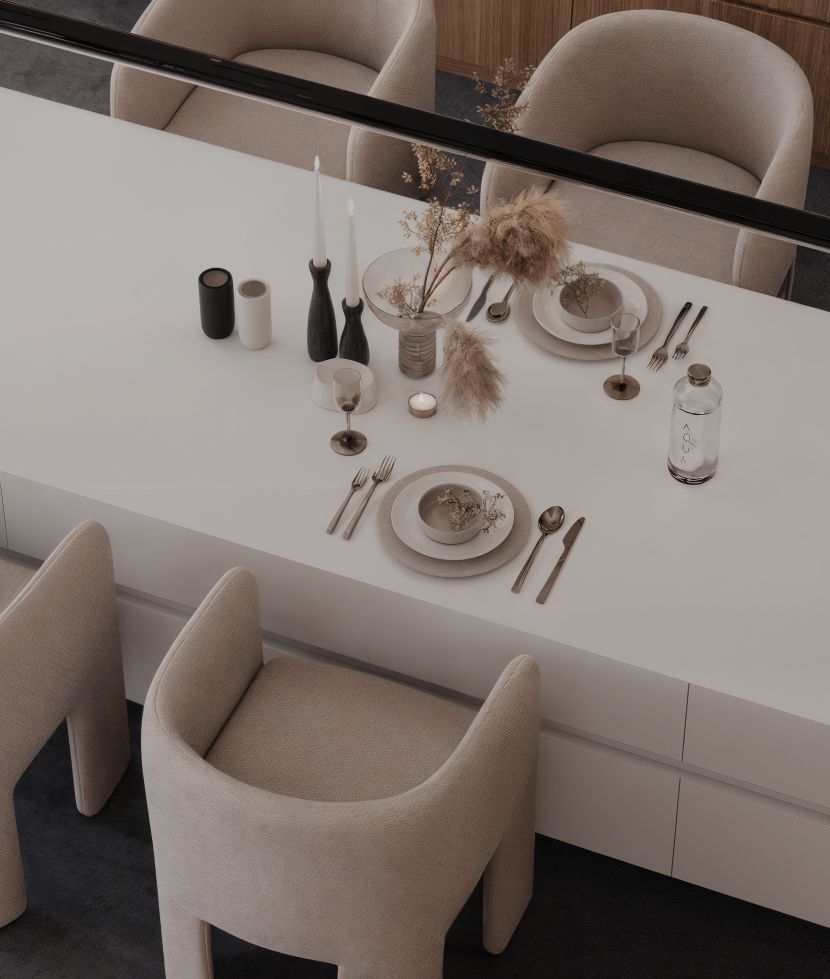
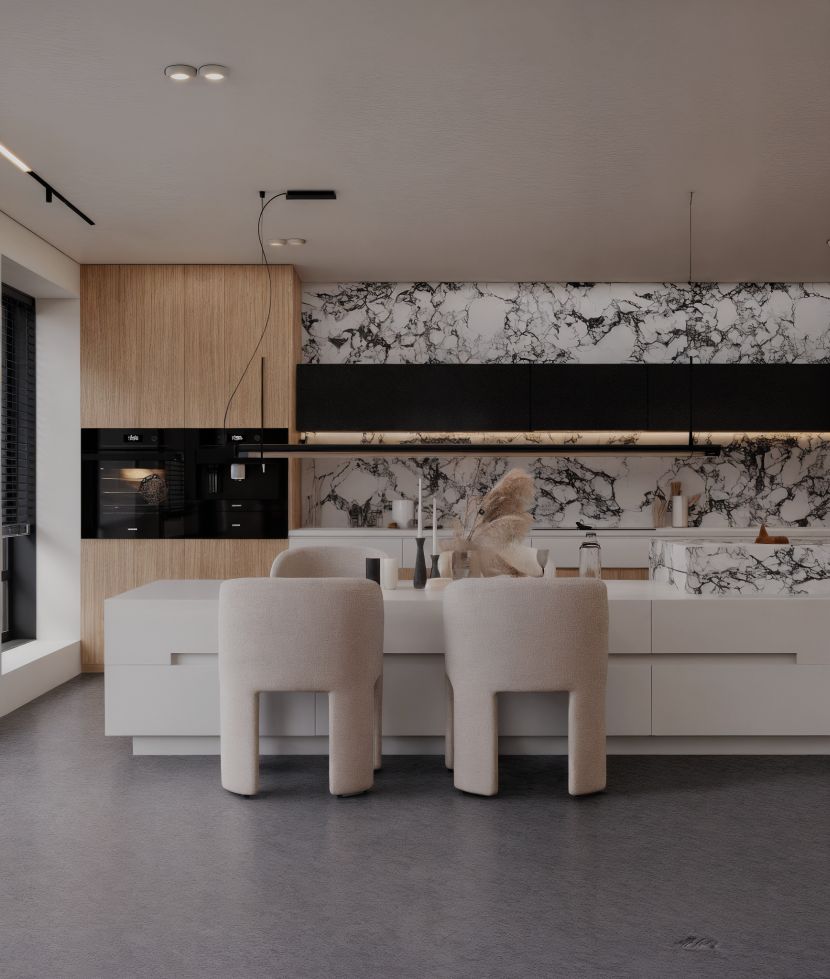
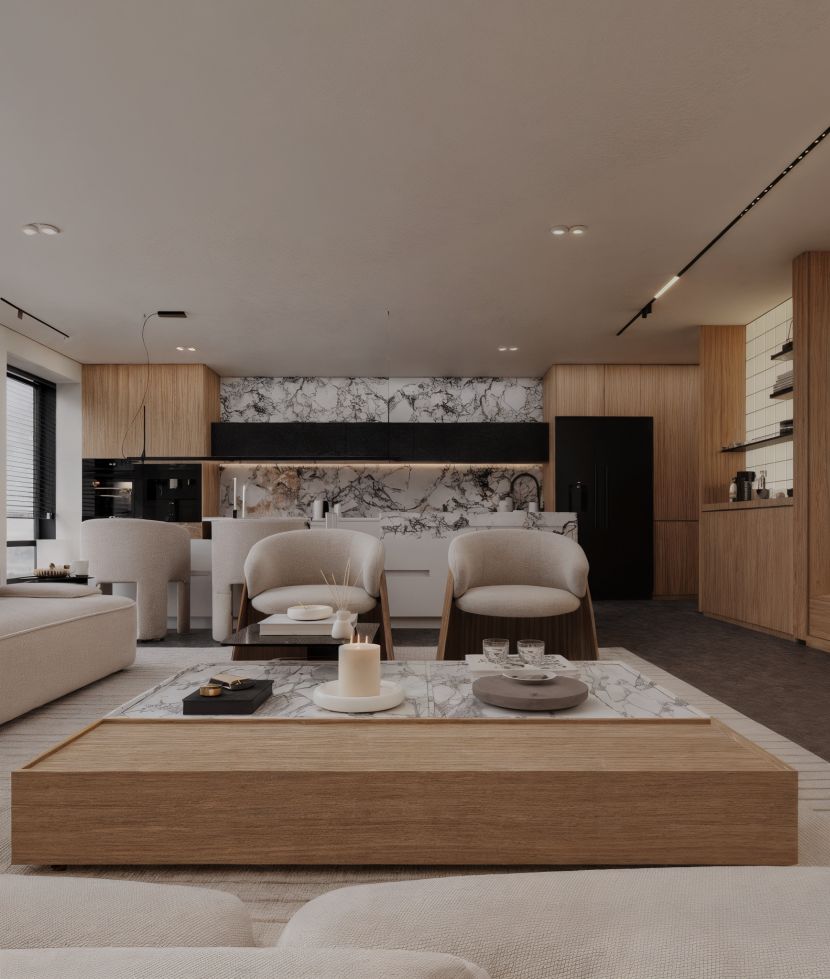
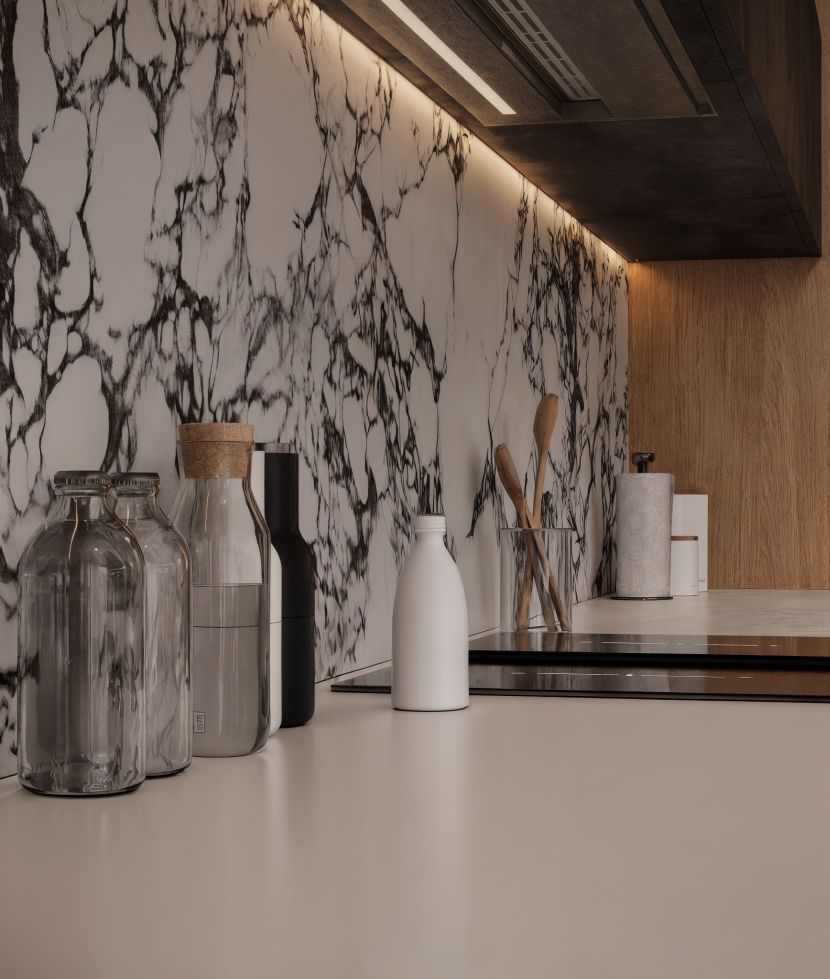
The genesis of the Elysian Residence, a 97 m² conceptual apartment, located in Dubai, UAE, was the pursuit of "warm minimalism". The goal was to create a space that feels both luxurious and contemporary while maintaining purity and simplicity. The design language relies on intentional contrasts: the rhythmic warmth of light oak wood cladding against the dramatic, cool veining of Black Calacatta Viola marble. This is softened by neutral tones like beige, cream, and white, along with boucle textiles and the deliberate integration of indoor greenery. The open-plan living and dining areas enhance social interaction, while the tree situated behind the glass partition serves as a living focal point. Ultimately, every design element serves a dual purpose—functional and aesthetic—blurring the line between utility and beauty.
What were the main challenges you encountered during its development?
The primary hurdle in minimalist, material-heavy design is the inherent risk of the space feeling clinical or austere. Because I was executing every facet of this project independently as the lead designer and visualizer for TT Studio, maintaining objective oversight on the mood was critical. I had to meticulously calibrate the lighting hierarchy using a layered approach with concealed strips and linear fixtures to highlight architectural details and infuse the space with warmth. Perfecting the anisotropic reflections on the marble and finding the exact micro-roughness for the Micro Cement flooring and wood surfaces required extensive iteration to ensure the light wrapped around the architectural forms gently.
What software, renderer, plugins did you use for this particular project?
The project started with AutoCAD for the foundational drafting. It was then conceptualized and modeled in 3ds Max, with Corona Renderer serving as the main rendering engine. To achieve the hyper-realistic material fidelity you see, particularly the nuanced wear on the stone and timber, I relied heavily on Quixel Bridge for its impeccable Megascans assets. High-quality 3D libraries were utilized for the botanical elements, while the final color grading and atmospheric enhancements were executed in Photoshop.
How did rendering this project at the RebusFarm Render Service impact your workflow, and were there any specific features or aspects of the service that stood out to you?
Utilizing the RebusFarm Render Service was profoundly liberating for my workflow. Given the sheer resolution of the textures, the geometric complexity of the foliage, and the demands of path-traced interior lighting, local rendering would have caused severe bottlenecks. The RebusFarm plugin integrates flawlessly into the 3ds Max interface, making scene submission remarkably intuitive. It effectively removed technical limitations from the equation, granting me the most valuable asset: time. Time that I could reinvest into the artistic direction and fine-tune the composition without the anxiety of looming render hours.
Future Outlook.
Is there anything new you would like to explore that you have not tackled yet?
I am incredibly eager to bridge the gap between static visualization and immersive spatial experiences. Delving deeply into real-time engines, specifically Unreal Engine 5, is my next major frontier. The prospect of offering clients or viewers a fully interactive, cinematic walkthrough where they can experience the shifting qualities of light and volume in real-time is a natural and thrilling evolution of my current practice.
Further Renders of Elysian Residence.
Thank you for sharing your insights and expertise with us! We look forward to your upcoming projects and are ready to support you with our rendering power!
About the Artist
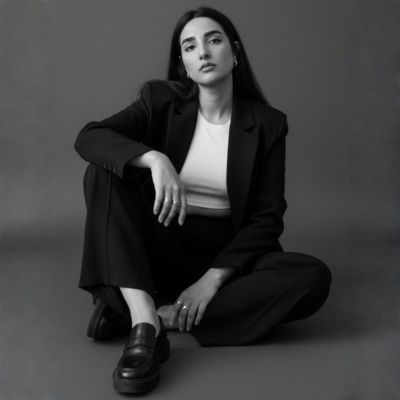
Tina Tajaddod is a 3D architectural artist and the founder of TT Studio, dedicated to the creation of deeply atmospheric, mood-driven interior environments. Characterized by a meticulous devotion to tactile details, nuanced natural lighting, and organic material composition, her independent work continuously seeks to blur the boundary between computer-generated imagery and authentic architectural photography. She approaches visualization not merely as a technical documentation of space, but as an emotive medium designed to tell compelling spatial narratives.